Water damage restoration in Queens, NY, is a critical service that can save homeowners from extensive repairs and health risks. When a water incident occurs, whether due to a burst pipe, flooding, or an appliance malfunction, the speed of the response can make all the difference in minimizing damage and preventing long-term issues. Understanding the impact of swift action is essential for anyone facing water-related challenges in their home.
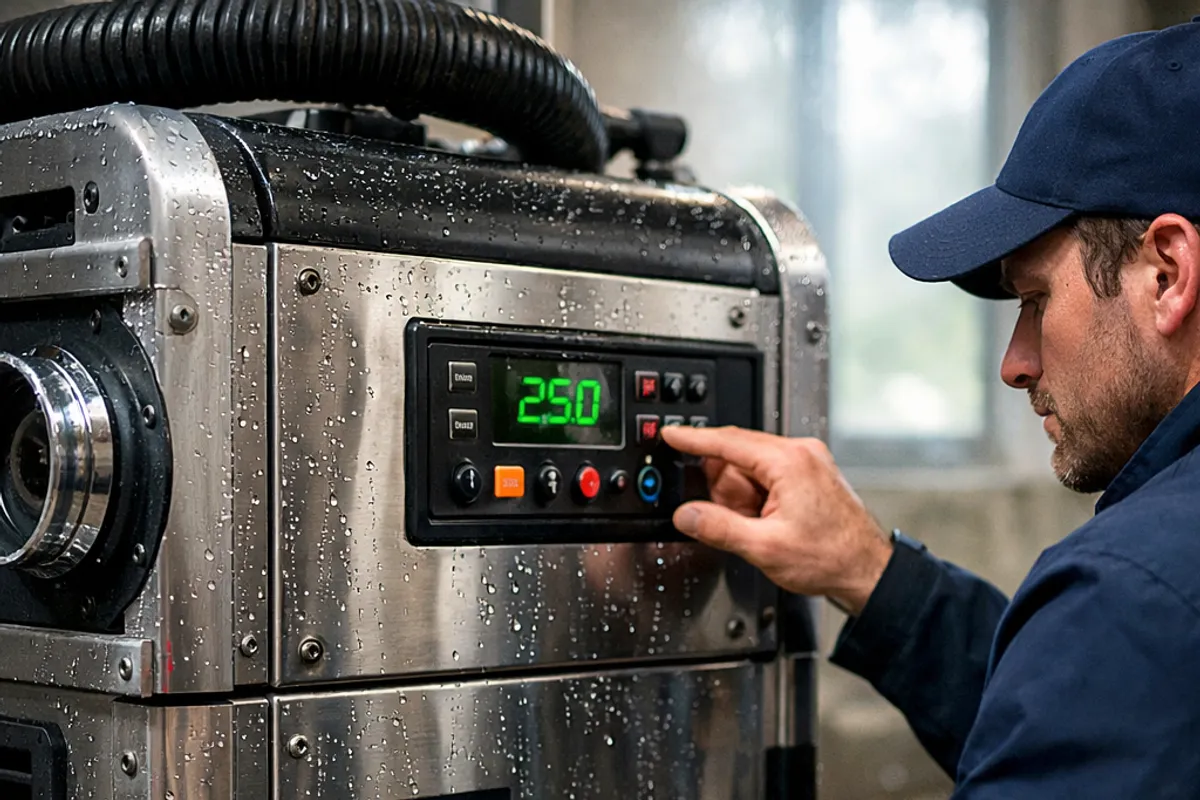
The First Hours Matter: Why Immediate Response is Key
When water intrudes into your home, it begins to seep into walls, flooring, and furniture almost instantly. The first 24 to 48 hours are crucial in determining the extent of the damage. Delaying response not only increases the risk of structural damage but also promotes the growth of mold and mildew, which can pose health risks. Quick action, such as shutting off the water supply and contacting a restoration service, can significantly reduce the scope of the damage. Local experts emphasize that the sooner the water is removed and the area is dried, the better the outcome will be.
Understanding the Types of Water Damage: The Importance of Assessment
Water damage can be categorized into three types: clean water, gray water, and black water. Each type presents different risks and requires specific handling. Clean water, often from a broken pipe, poses minimal health risks. Gray water, from sources like washing machines or dishwashers, may contain contaminants, while black water, often from sewage or flood waters, is highly hazardous. Knowing the type of water involved helps restoration professionals determine the appropriate response and necessary precautions. Homeowners in Queens should be aware of these distinctions to effectively communicate with restoration teams and understand the urgency of their situation.
DIY vs. Professional Help: When to Call the Experts
Many homeowners might consider tackling water damage on their own, especially with the availability of various DIY guides online. However, the reality is that professional services offer expertise and equipment that most individuals do not possess. From specialized water extraction tools to advanced drying techniques, trained professionals can ensure a thorough restoration process. Additionally, they can identify hidden moisture and prevent future problems. A common sentiment among residents is that while DIY efforts can address minor leaks, severe damage often requires expert intervention.
Preventative Measures: Keeping Your Home Safe
Once the immediate crisis is handled, it’s essential to think about prevention. Regular maintenance, such as inspecting plumbing systems, cleaning gutters, and ensuring proper drainage around your property, can significantly reduce the risk of future water damage. Homeowners should also consider investing in sump pumps or waterproofing solutions, especially in flood-prone areas. Engaging with local restoration experts can provide valuable insights into tailored preventative measures suitable for homes in Queens.
Frequently Asked Questions
How quickly should I act after a water incident occurs?
You should aim to act within the first 24 to 48 hours after a water incident. This timeframe is crucial because delays can lead to increased structural damage and promote mold growth, which poses health risks. Shutting off the water supply and contacting a restoration service immediately can greatly reduce the extent of damage.
What are the different types of water damage I should be aware of?
Water damage can be categorized as clean water, gray water, or black water. Clean water, from sources like broken pipes, poses minimal health risks, while gray water, from appliances like washing machines, may contain some contaminants. Black water, often from sewage or floodwaters, is highly hazardous and requires immediate professional handling.
Is it safe to attempt DIY water damage restoration?
While minor leaks may be manageable with DIY methods, severe damage typically requires professional expertise. Professionals have specialized tools and techniques that can ensure thorough restoration and help identify hidden moisture that could lead to future issues. It’s best to consult with experts when dealing with significant water damage.
What preventative measures can I take to avoid future water damage?
Regular maintenance is key to preventing water damage; this includes inspecting plumbing systems, cleaning gutters, and ensuring proper drainage around your property. Investing in sump pumps or waterproofing solutions can also be beneficial, particularly if you live in a flood-prone area. Consulting with local restoration experts can provide tailored advice for your home.
What should I do if I suspect hidden moisture after a water incident?
If you suspect hidden moisture, it’s important to contact a restoration service as soon as possible. Professionals can use specialized equipment to detect moisture behind walls and under floors, which is essential for preventing mold growth and further damage. Addressing hidden moisture promptly can save you from costly repairs down the line.